The Role of Mold Base in Engineering Design Standardization
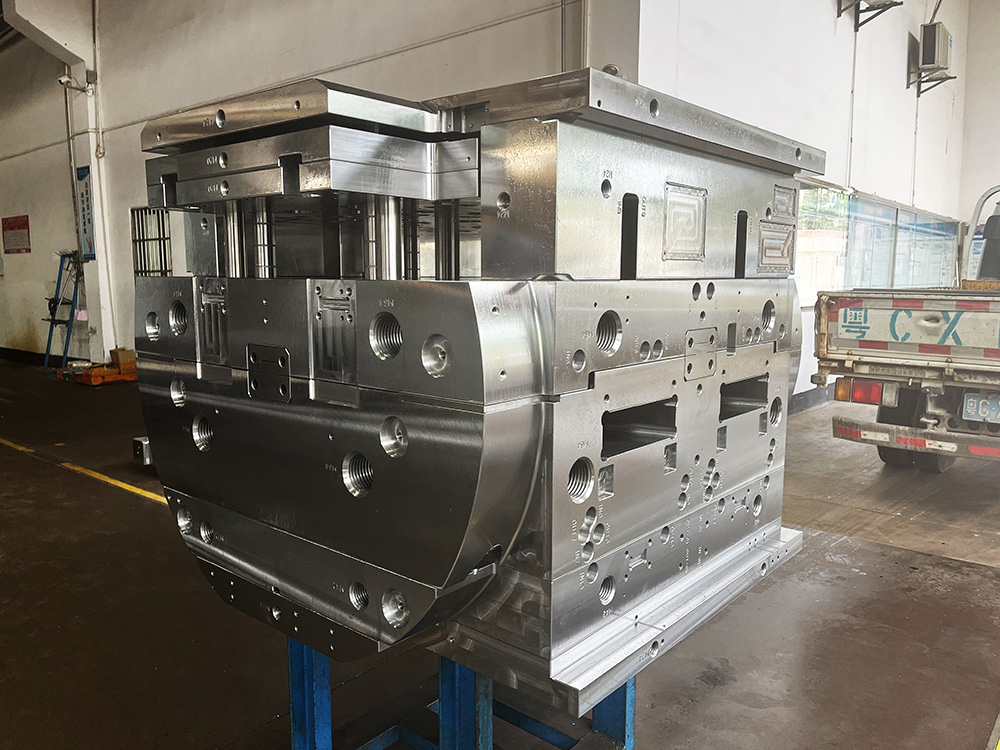
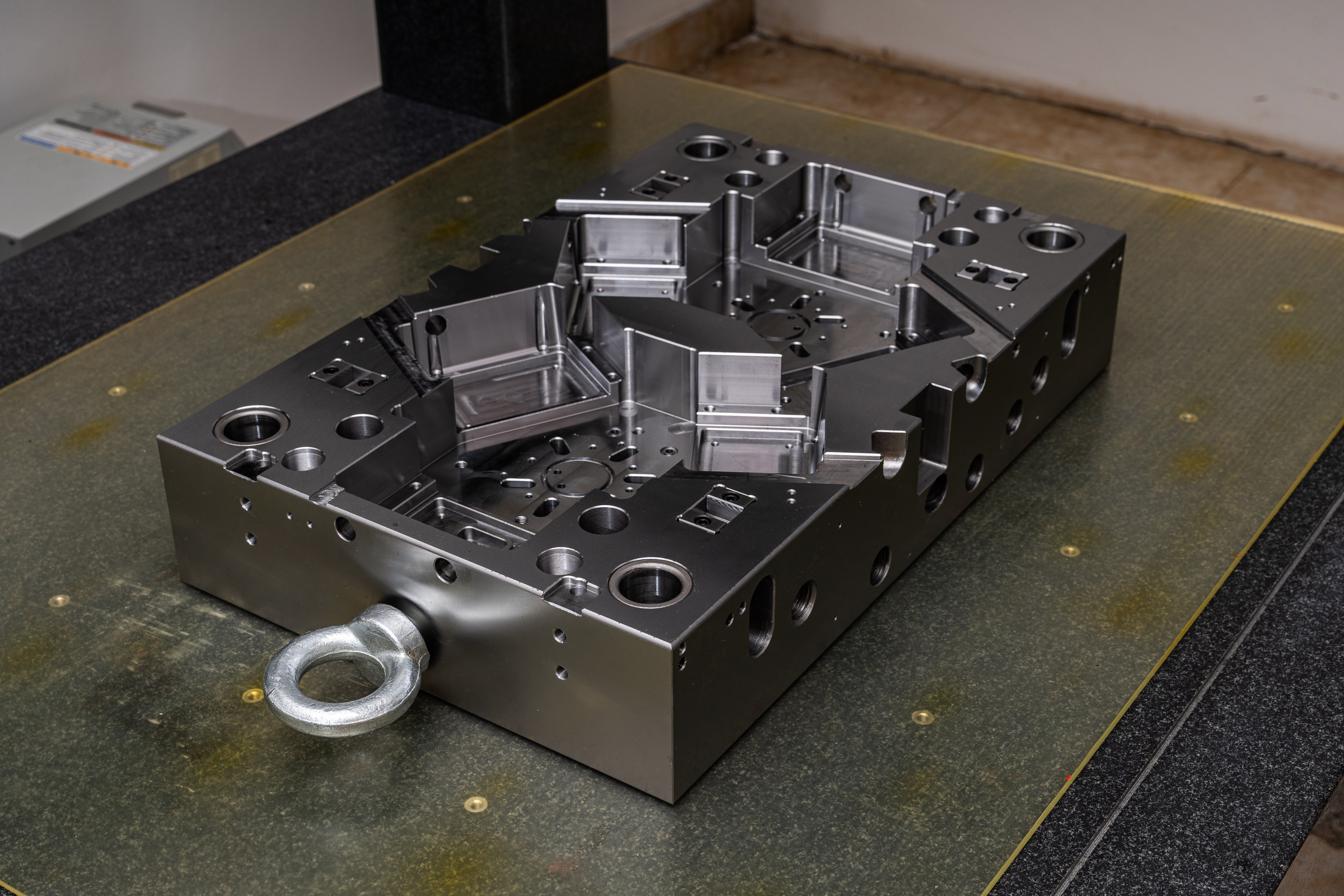
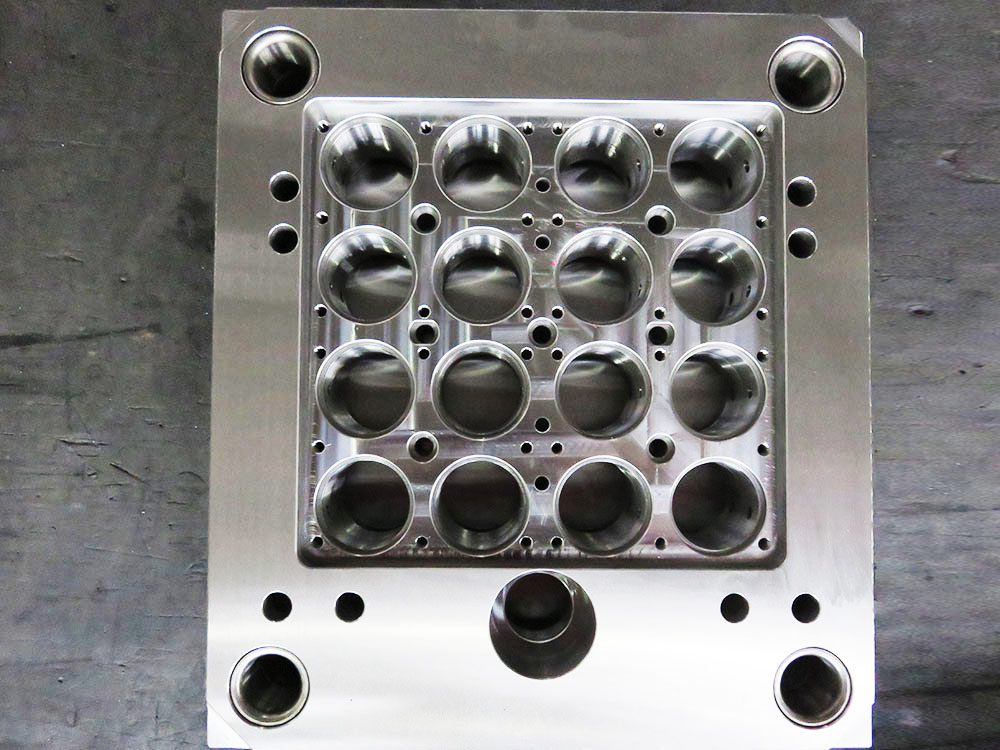
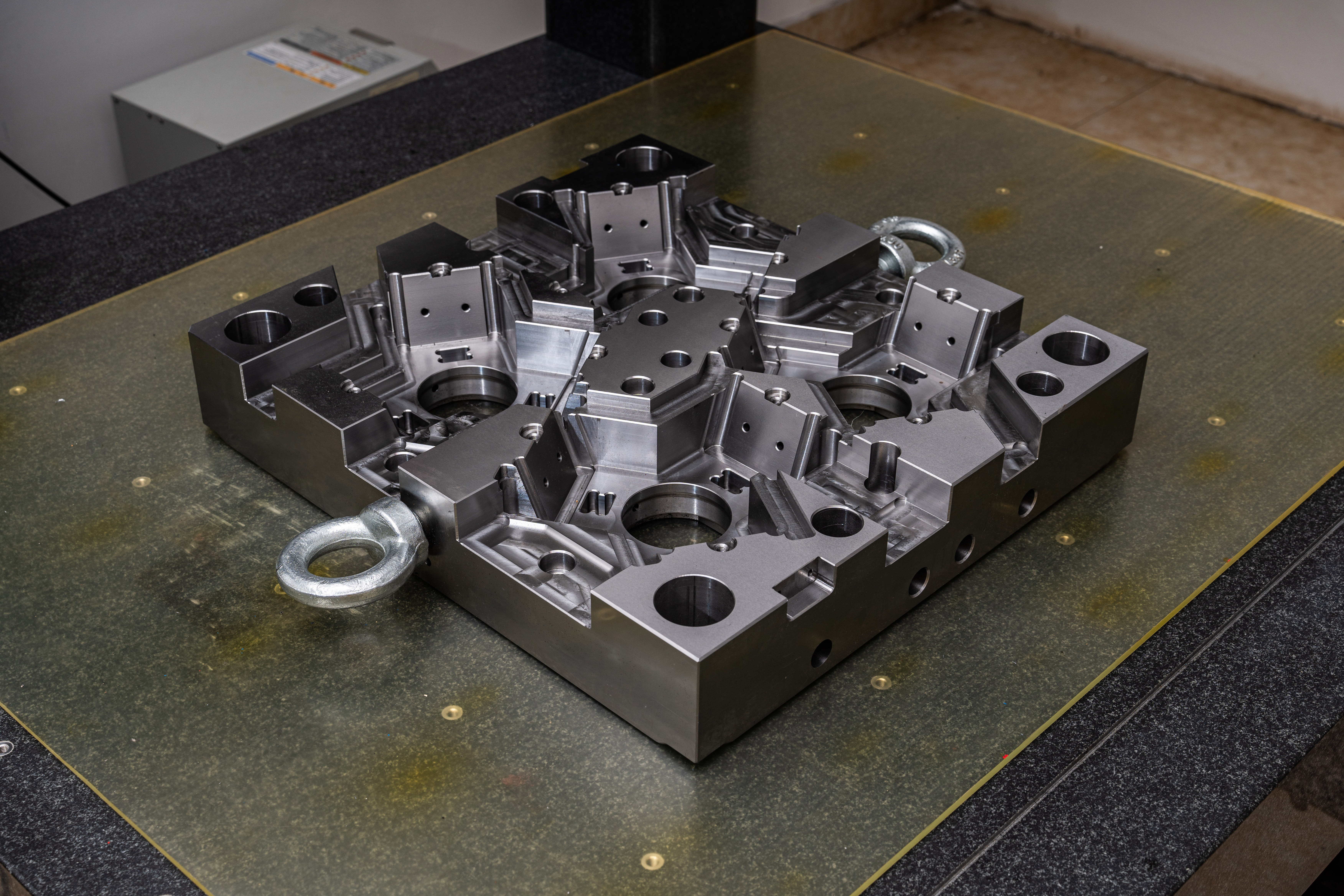
Mold base, an essential component in the field of engineering design, plays a crucial role in achieving standardization. With its precise construction, the mold base provides a solid foundation for any mold design. In this article, we will explore the significance of mold base in engineering design standardization.
1. Improved Efficiency
One of the key advantages of mold base in engineering design standardization is improved efficiency. By using standardized mold bases, designers can save both time and effort in the initial stages of mold development. Standardized components allow for easy interchangeability, reducing the need for customization and speeding up the overall design process.
2. Enhanced Precision
The mold base acts as a reference point and ensures precision in the design process. With accurate dimensions and a well-defined structure, mold bases provide a stable platform for the mold design. This stability enables engineers to achieve precise and consistent results, ultimately leading to high-quality molded products.
3. Cost Reduction
Standardization of mold bases also contributes to cost reduction. By utilizing standardized components, manufacturers can benefit from economies of scale. Mass production of standardized mold bases helps reduce production costs, as the same base can be used for multiple mold designs. Additionally, the ease of maintenance and repair offered by standardized mold bases minimizes downtime and reduces maintenance expenses.
4. Interchangeability
One of the key features of mold base standardization is its interchangeability. Engineers can easily interchange different mold inserts, cavities, and cores within a standardized mold base, allowing for greater flexibility in mold design. This interchangeability facilitates the adaptation of molds to various production requirements, resulting in increased productivity.
5. Streamlined Collaboration
In a collaborative engineering environment, where multiple teams are involved, mold base standardization promotes streamlined collaboration. Standardized mold bases provide a common platform for designers, engineers, and manufacturers to work together effectively. With predefined interfaces and consistent designs, collaboration becomes more efficient, reducing communication errors and ensuring seamless integration of different components.
6. Quality Control
Standardized mold bases contribute to effective quality control throughout the manufacturing process. By using standardized components, manufacturers can accurately measure and control critical dimensions. This enables them to maintain consistency and ensure that the final molded products meet the required specifications. Moreover, standardized mold bases undergo rigorous testing and certification, further ensuring quality and reliability.
7. Adaptability to Changing Needs
With changing market demands and advancements in technology, the need for mold design flexibility is paramount. Mold base standardization allows for easy adaptation to these changing needs. Upgrades or modifications can be implemented by simply replacing specific components within the standardized mold base, reducing downtime and production costs associated with complete mold redesign.
In conclusion, mold base standardization plays a pivotal role in achieving engineering design standardization. It not only improves efficiency and precision but also reduces costs, enhances collaboration, and ensures quality control. With its interchangeability and adaptability, mold base standardization caters to the dynamic needs of the industry, making it an essential component in today's engineering design landscape.