Automation Applications of Standard Mold in Frame Production for Smart Manufacturing
Introduction
In the rapidly evolving manufacturing industry, smart manufacturing has emerged as a key driver of efficiency, productivity, and cost-effectiveness. One of the critical components of smart manufacturing is automation, which eliminates manual labor and streamlines production processes. This article focuses on the automation applications of standard mold in frame production, a significant sector in the mold base industry.
1. Automated mold design and customization
With the use of computer-aided design (CAD) software and advanced algorithms, mold design and customization can now be automated. Companies can develop standardized design templates for various frame sizes, materials, and functionalities. These templates can then be integrated with automated design software, allowing rapid customization according to customer requirements. This automation reduces design time, minimizes errors, and ensures consistent quality.
2. Automated mold manufacturing
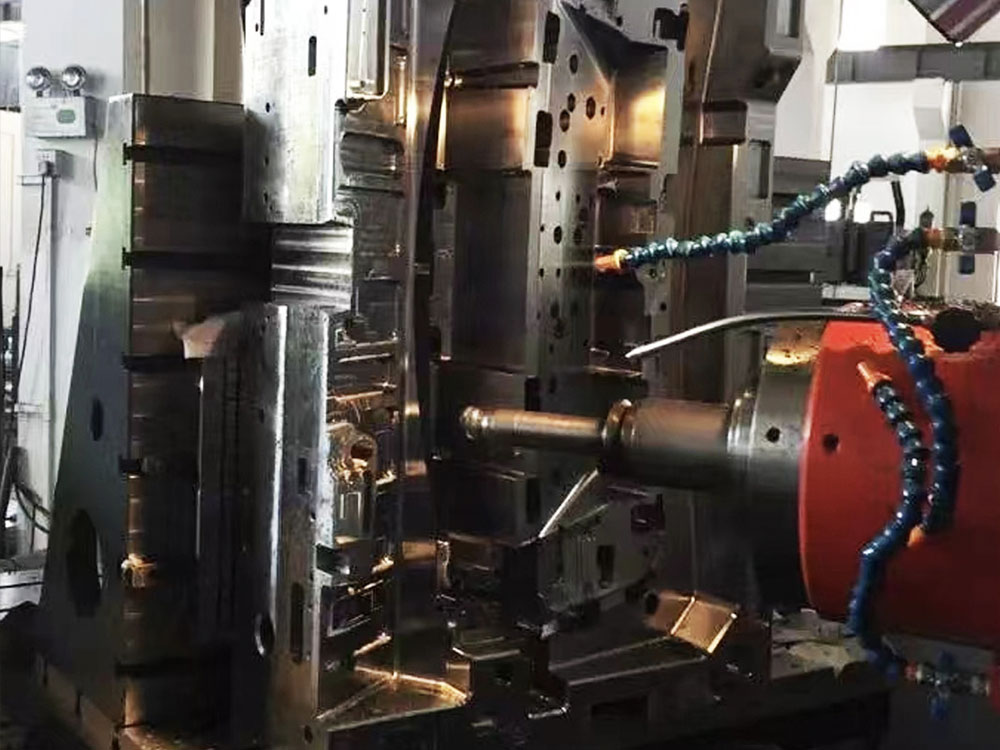
The manufacturing of molds traditionally involved multiple manual steps, such as milling, shaping, and assembling. However, with the advent of computer numerical control (CNC) machines and robotics, the mold manufacturing process can be largely automated. CNC machines can precisely carve out the desired mold shape based on the standardized design templates. Robots can then handle the assembly and finishing processes. This automation significantly reduces production time, enhances accuracy, and improves overall productivity.
3. Automated mold maintenance and repair
Maintaining and repairing molds is crucial to ensuring their longevity and optimal performance. Automation can greatly simplify these processes by incorporating various sensors and monitoring systems. These systems can continuously collect data on mold performance, such as temperatures, pressures, and wear patterns. Based on this data, automated algorithms can detect potential issues, schedule maintenance tasks, and even initiate repairs. This proactive approach minimizes downtime and extends the lifespan of molds.
4. Automated mold testing and quality control
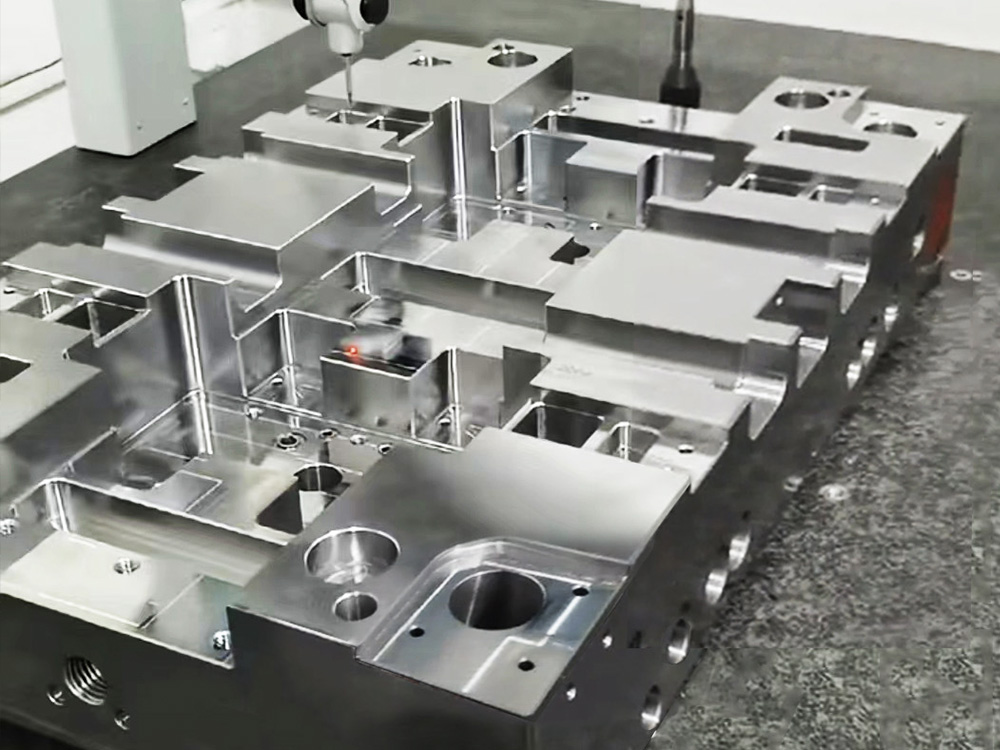
Ensuring the quality of mold products is of utmost importance in frame production. Automation plays a vital role in improving mold testing and quality control processes. Automated testing systems can be implemented to perform rigorous checks on the molded frames, measuring dimensions, conducting stress tests, and identifying any defects or imperfections. Furthermore, automated quality control systems can provide real-time feedback to the manufacturing process, allowing for immediate adjustments and preventive measures. This automation guarantees consistent product quality and reduces the risk of faulty output.
5. Automated data analysis and optimization
Smart manufacturing relies on data-driven decision-making to optimize production processes continually. In the context of frame production with standard mold, automation enables the collection and analysis of vast amounts of data. This data encompasses key performance indicators, such as cycle times, reject rates, and energy consumption. Automated algorithms can then analyze this data to identify areas for improvement, optimize mold design parameters, and enhance overall manufacturing efficiency. Leveraging automation for data analysis transforms raw data into valuable insights for better decision-making and process optimization.
Conclusion
The automation applications of standard mold in frame production have revolutionized the mold base industry. From design and customization to manufacturing, maintenance, testing, and data analysis, automation has significantly enhanced the efficiency, precision, and quality of frame production. As smart manufacturing continues to evolve, embracing and leveraging automation in mold base industries will be critical for companies to stay competitive in the global market.