Introduction
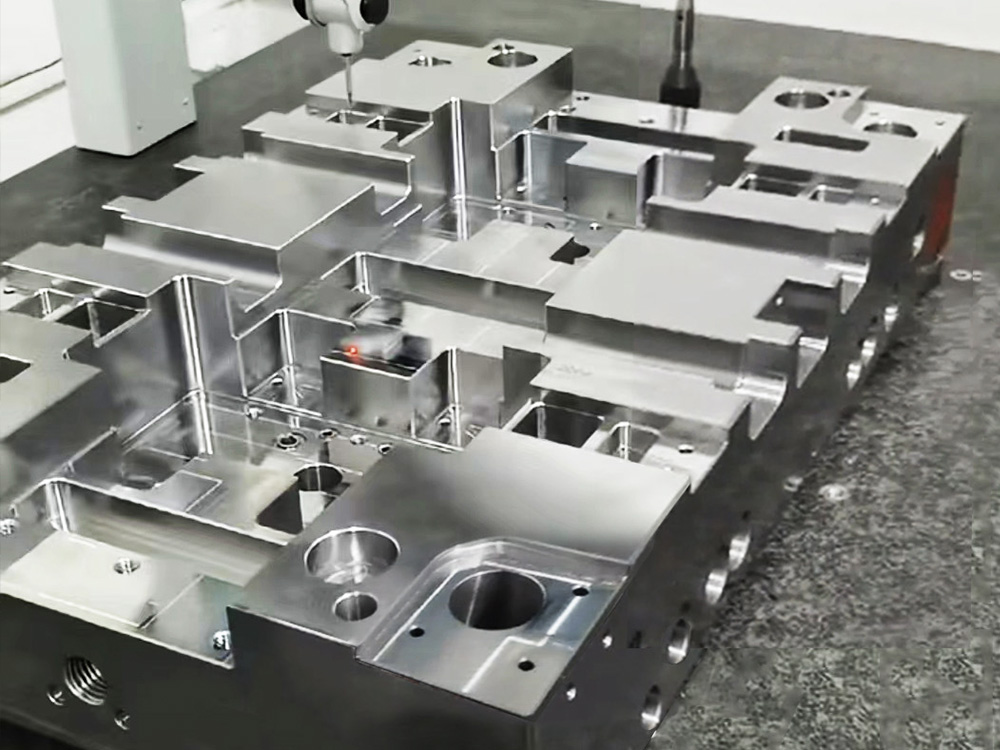
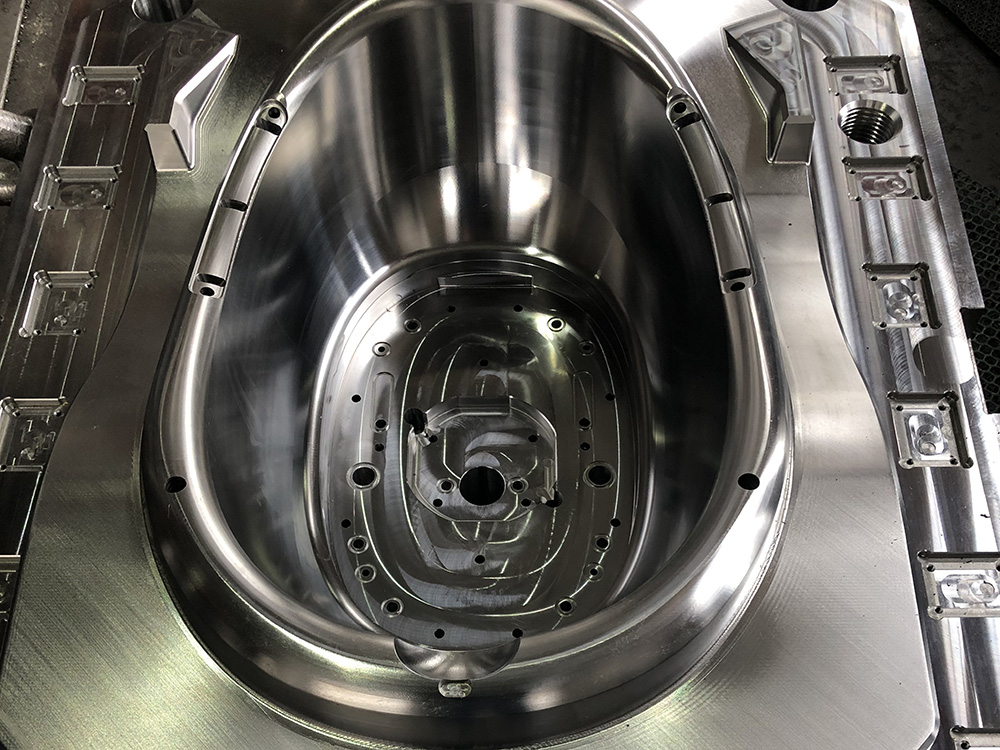
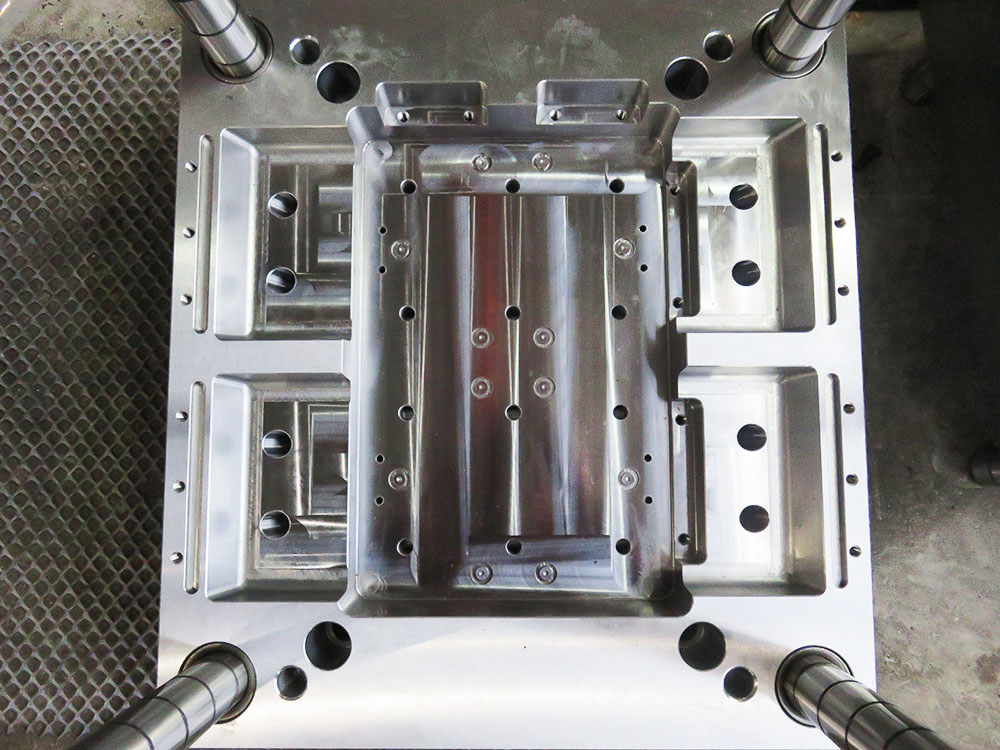
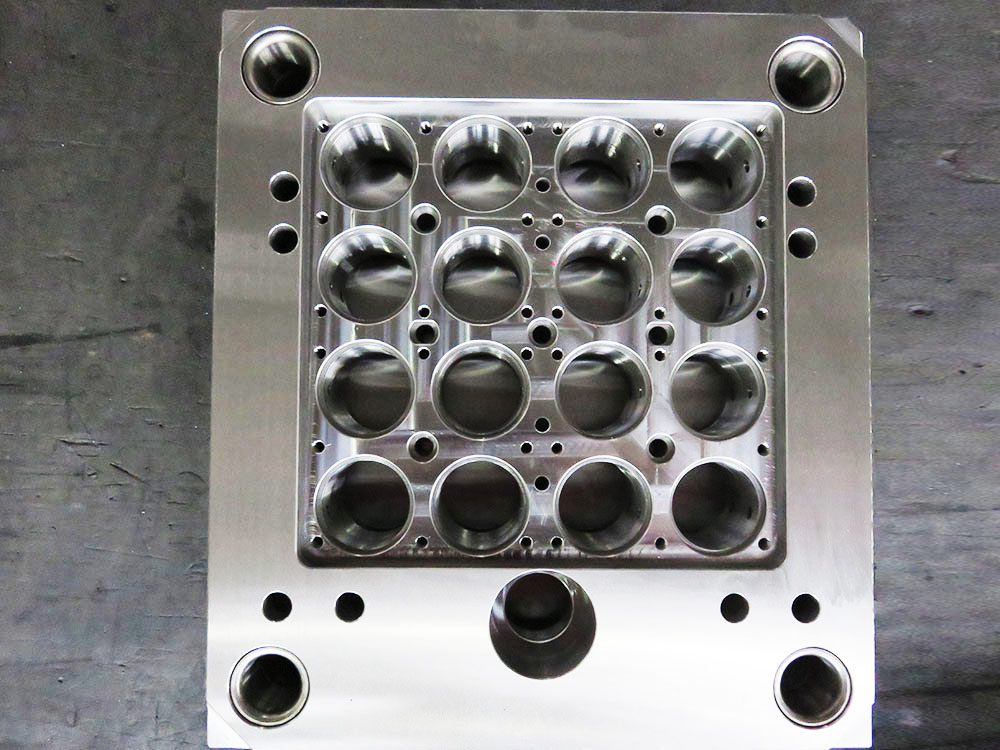
With the advancement in digital manufacturing technologies, the mold design industry has undergone significant transformations. Integrating mold design with digital manufacturing has become crucial to meet the increasing demands of precision, efficiency, and cost-effectiveness. This article aims to explore the various aspects of this integration and its impact on the mold base industry.
The Role of Digital Manufacturing in Mold Design
Digital manufacturing technologies, such as computer-aided design (CAD), computer-aided manufacturing (CAM), and additive manufacturing (AM), have revolutionized the traditional mold design process. These technologies enable mold designers to create complex and intricate designs with ease, reducing the time and effort required.
CAD software allows designers to create precise 3D models of molds, providing a virtual representation of the final product. This eliminates the need for physical prototypes, saving both time and cost. CAM software, on the other hand, facilitates the translation of these 3D models into machine instructions, optimizing the machining process and ensuring accuracy.
Additive manufacturing techniques, such as 3D printing, have also found their application in mold design. This technology enables the rapid production of prototypes and small production runs, offering flexibility and cost advantages. Complementing traditional machining processes, additive manufacturing allows for the creation of intricate mold features that were previously difficult or impossible to achieve.
Benefits of Integrating Mold Design with Digital Manufacturing
The integration of mold design with digital manufacturing brings numerous benefits to the mold base industry. Firstly, it enhances design flexibility and customization. With digital manufacturing technologies, designers can easily modify and optimize mold designs based on specific requirements, ensuring optimal performance.
Secondly, the integration improves precision and accuracy. Digital manufacturing technologies enable designers to create molds with intricate details and tight tolerances, leading to higher-quality end products. Precise mold designs result in better product consistency and reduced waste.
Thirdly, the integration reduces lead time. Digital manufacturing allows for faster design iterations, rapid prototyping, and reduced machining and production times. This enables companies to bring products to market more quickly, gaining a competitive edge.
Furthermore, the integration offers cost advantages. Traditional mold design processes typically involved the production of costly physical prototypes and molds. With digital manufacturing, designers can validate designs virtually and produce molds more efficiently, reducing tooling and production costs.
Lastly, the integration promotes sustainability. Digital manufacturing techniques enable the use of materials with lower environmental impact. Additionally, the reduction in waste and energy consumption associated with traditional manufacturing processes contributes to a more sustainable mold design industry.
Challenges and Considerations
Despite its numerous advantages, integrating mold design with digital manufacturing also presents challenges and considerations. Firstly, there is a learning curve associated with adopting new software and technologies. Companies must invest in training and upskilling their workforce to ensure a smooth transition.
Secondly, there can be limitations in the size and material options for 3D printing. Large-scale molds or those requiring specific materials may not be suitable for additive manufacturing, necessitating a hybrid approach combining traditional and digital techniques.
Moreover, digital manufacturing technologies are continually evolving, requiring companies to stay updated with the latest advancements. This ensures they can leverage new features and capabilities to further enhance their mold design processes.
Conclusion
The integration of mold design with digital manufacturing has revolutionized the mold base industry. This integration brings forth enhanced design flexibility, improved precision, reduced lead time, cost advantages, and sustainability. While challenges and considerations exist, the benefits outweigh the drawbacks, making it essential for mold base companies to embrace digital manufacturing to stay competitive in the modern market.